

Genuine leather for shoes
Categories



It is not known when leather was first used to make shoes, but the earliest find was excavated by archaeologists in an Armenian cave in 2010. Believed to be 5,500 years B.C. old - between the Neolithic and Bronze Ages - the shoe was made from a piece of cow skin with grass lining.
The famous mummy glacier shoes are about 5,300 years old. This shoe structure was surprisingly complex. The upper part (outer shoe) is made of deer skin with a facial of the hair as a protection against moisture, and the sole is made of bear skin with a facial of the hair, offering excellent properties of heat retention. But the earliest representation of people wearing shoes are the drawings of hunters found in the Altamira Cave in Spain, dated around 15,000 years ago.
The oldest actual shoe is a pair of sandals discovered by archaeologists from Arnold Research Cave in Missouri, USA. Produced from trees , they are 8,300 years old.
Why leather?
Shoes are made of many different materials and in endless colors and shapes. In the first days, the shape and appearance of the shoe were solely to protect the foot from injuries and climate. However, in more modern times, shoe styles are strongly influenced by fashion and are used to show the status of the owner . Besides being more comfortable and more weather-friendly, modern shoes are specially designed for specific needs, including women's and men's shoes, slippers, sneakers, boots, hiking boots, sandals and much more.
Over the centuries, skin has been the main material for shoes, mainly because it has always been available in sufficient quantities. Today, although a variety of materials are used for the manufacture of shoes, the skin is still of primary importance for a number of reasons. It can be shaped, stitched and made waterproof without losing breathing. It is also very robust and offers excellent protection against leg injuries. You will never sweat so much in leather shoes, compared to those made of other materials. While the fabric is also breathable, its waterproofing qualities and the level of protection it provides from injuries are significantly lower than leather ones. Through these superior properties, the skin is always the best material for shoes. Most replacement materials are processed only for price reasons.
Materials and figures
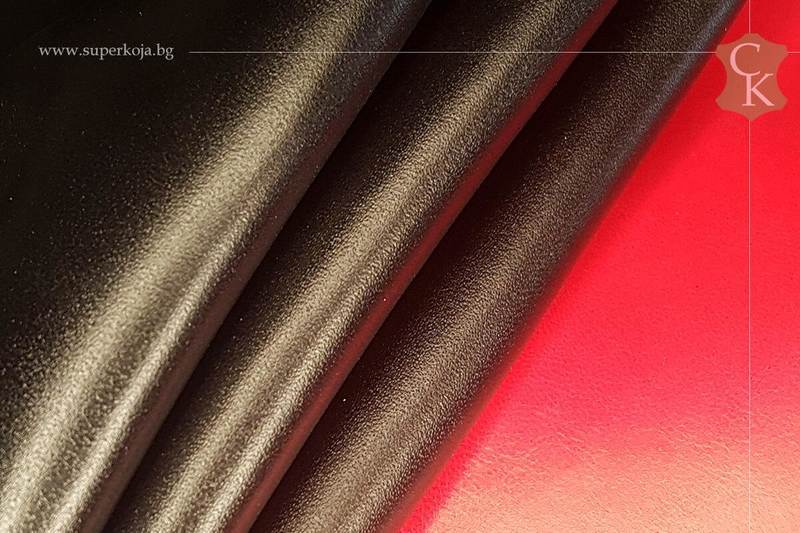
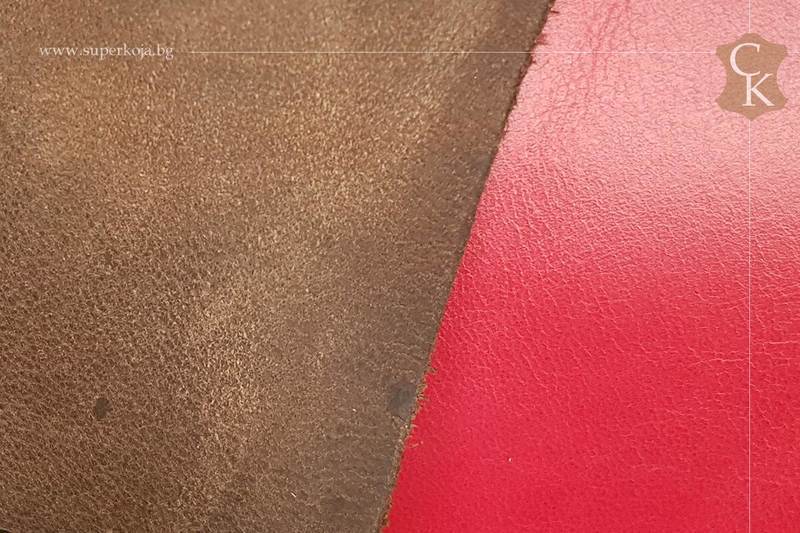
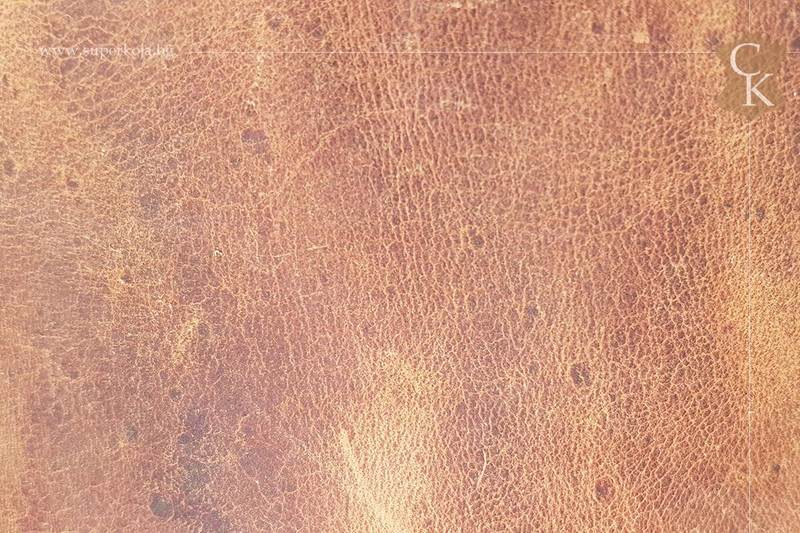
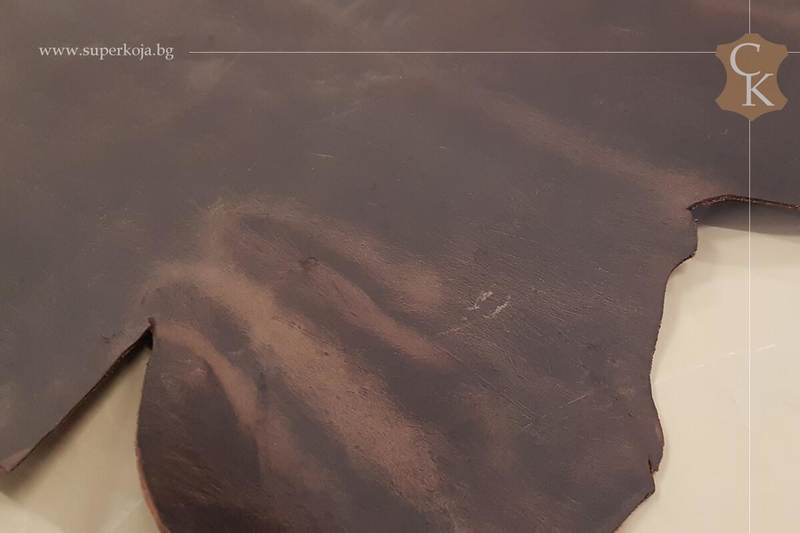
For the manufacture of the top of the shoes, a wide variety of genuine leathers are used, and it is not always easy to clearly distinguish between species. The most common leather types are pigmented smooth leather (coating with pigment binder on the part of the nipple), aniline leather (leather with open portes on the sides), waxy or oily leather, suede and nabuk. Cow vegetable padded leather is usually processed for sole. In Europe, shoe manufacturers are required to clearly indicate the type of materials and processes.
The footwear industry is the world's largest consumer of fur, producing 14 billion pairs of leather shoes a year. Of these, about 11.5 billion are produced in Asian factories, with 8 billion pairs being from China alone, making it the largest producer. By comparison, only 26 million pairs of shoes are produced in Germany, and an estimated 5 million pairs of shoes are made in the UK .
The largest shoe market is the United States. Statistically, every American buys six pairs of shoes every year. In Europe, Japan and Canada, consumers buy between three and five pairs a year, while the average Chinese customer buys 2.5 pairs of shoes a year.
In Germany, each woman has 17.3 pairs of shoes at home, and men have 8.2 pairs (according to a study conducted in 2014). According to a 2015 study, women spend twice as much on shoes as men.
Natural shoe leathers are the best and preferred material that a person can put on his feet. Unlike all synthetic so-called "eco leather ", natural leather has a breathable function that predisposes normal breathing of the skin of the feet. Also, natural shoe leathers are designed to have maximum resistance to water, moisture, wear resistance and everything else that shoes are subjected to in everyday use.
Therefore, when you prefer shoes made of genuine leather, you take the best quality you can afford for your leg.