

Genuine leather for upholstery
Categories

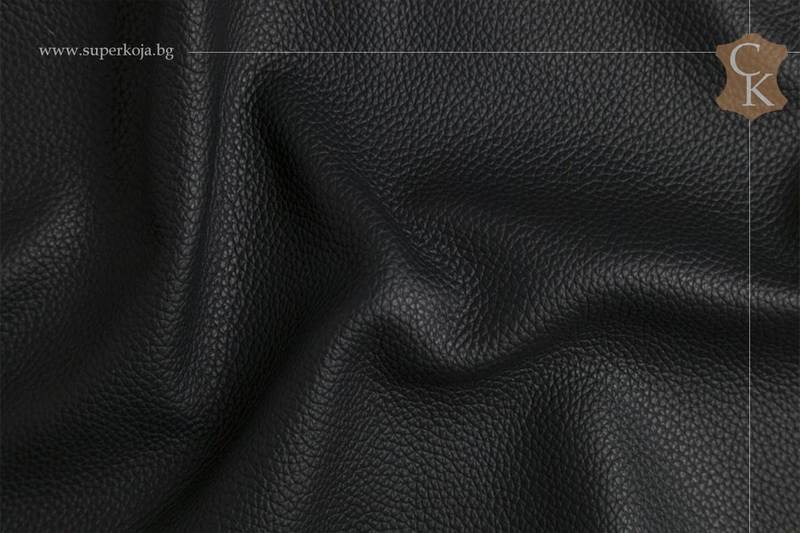

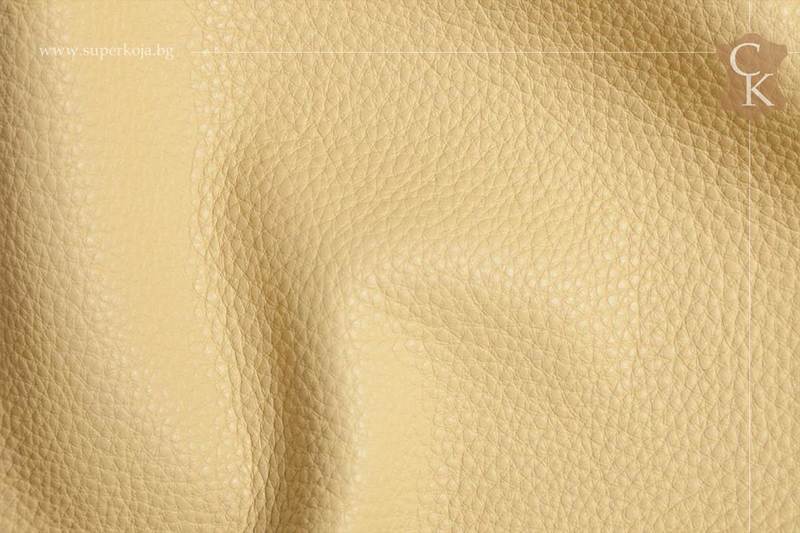
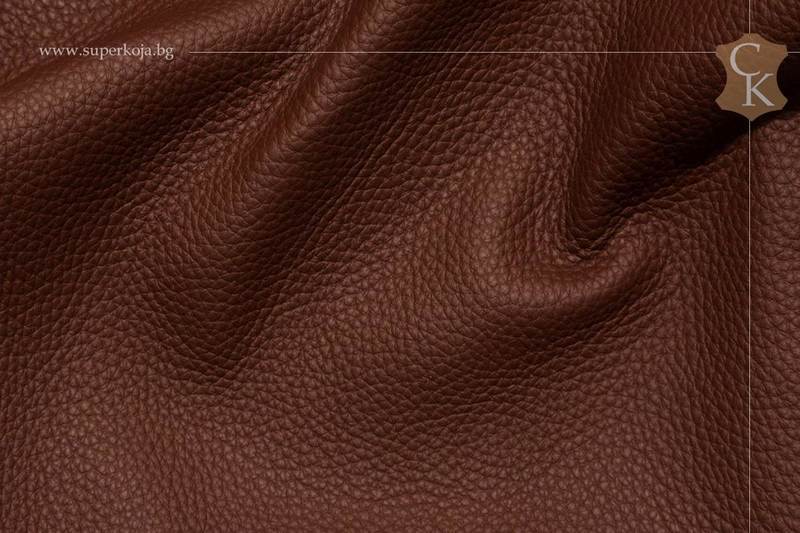
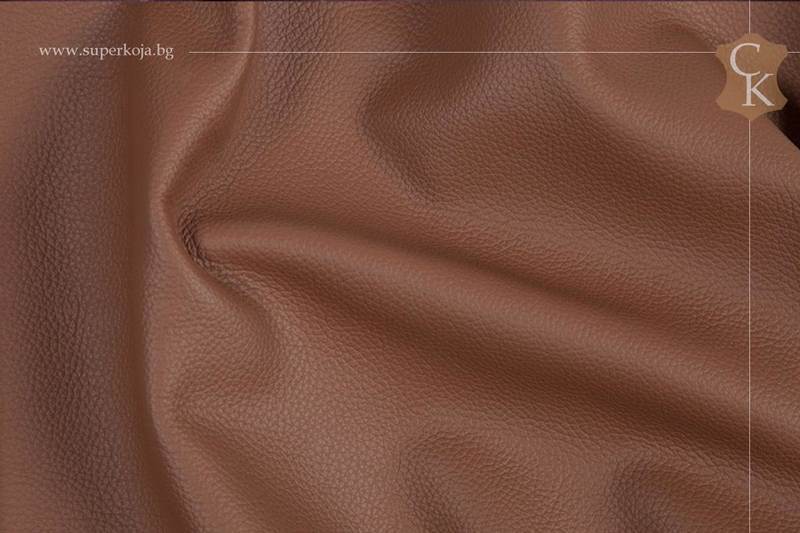
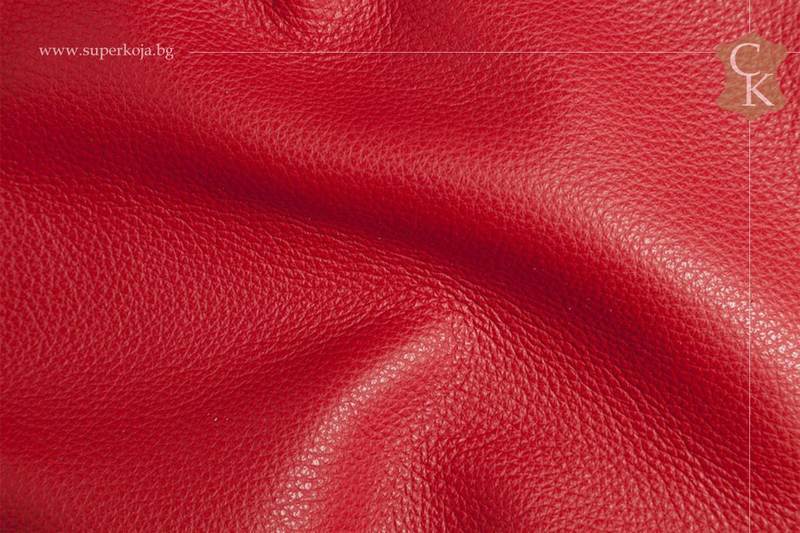
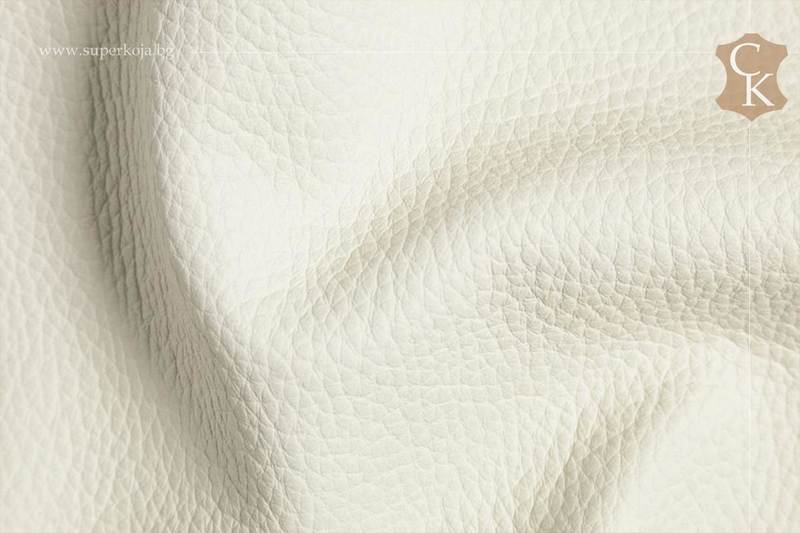
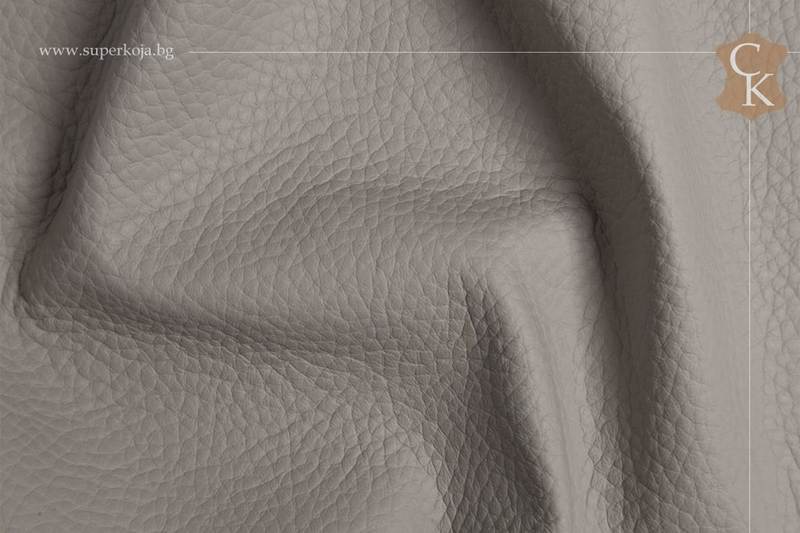
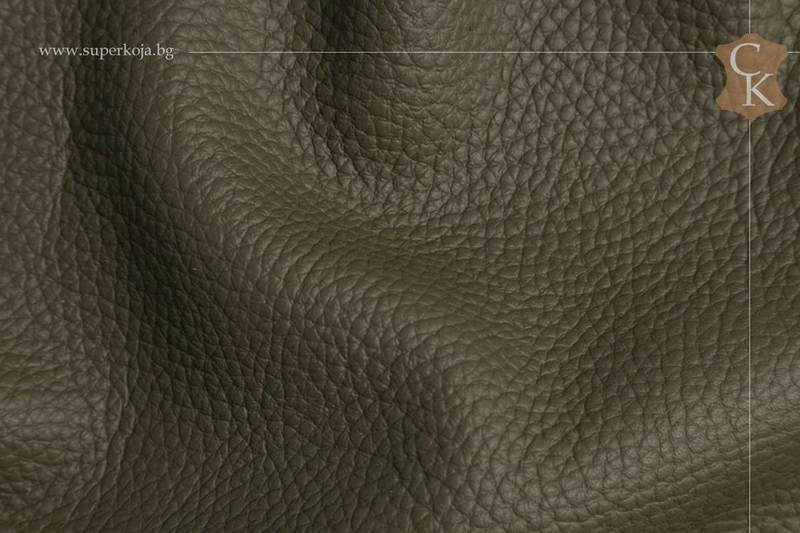
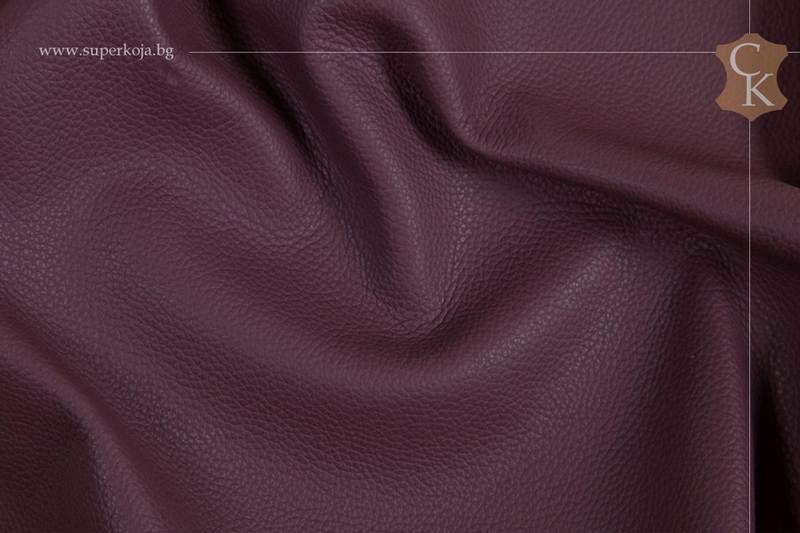
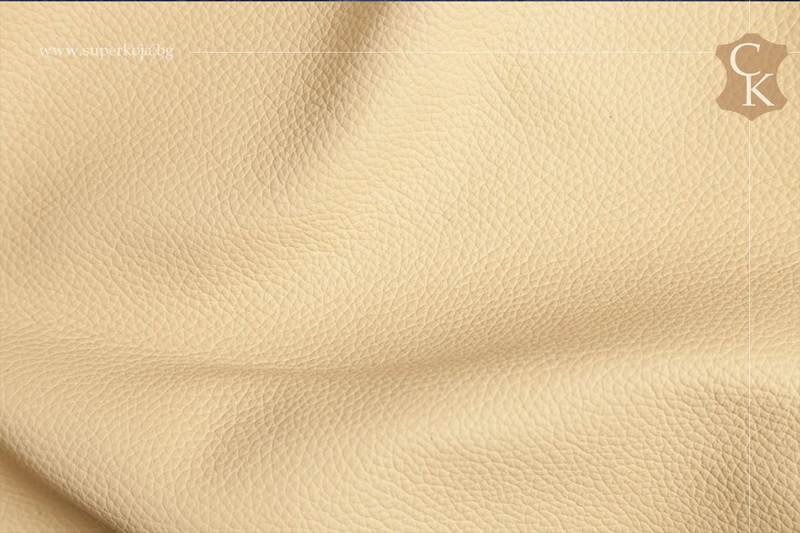
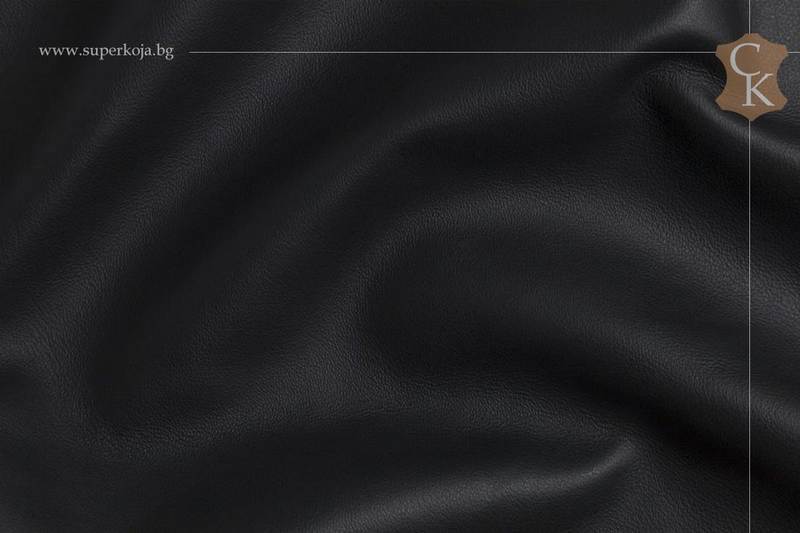
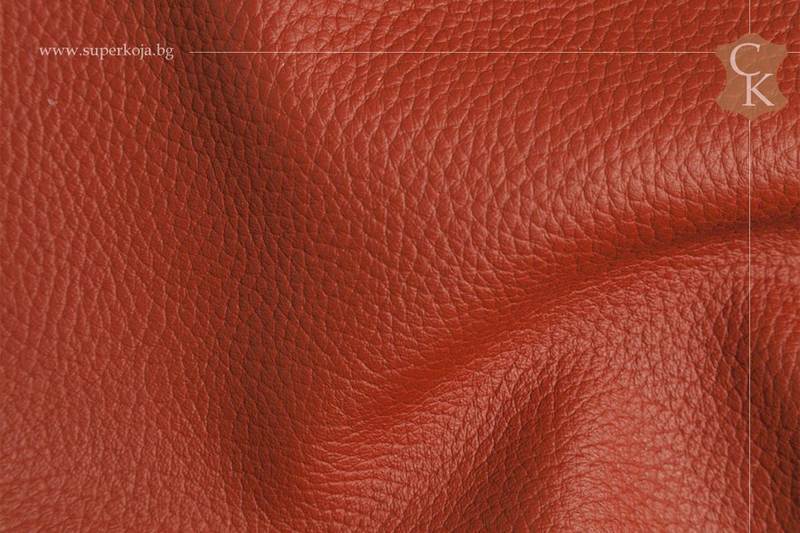
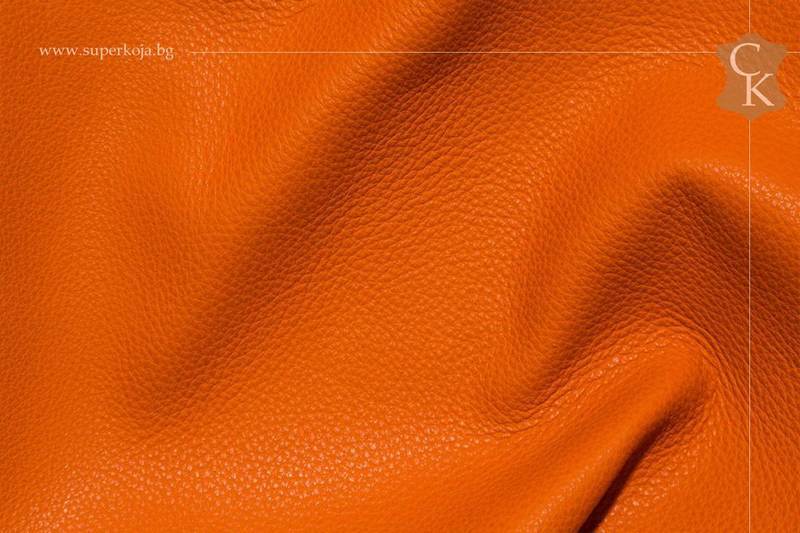
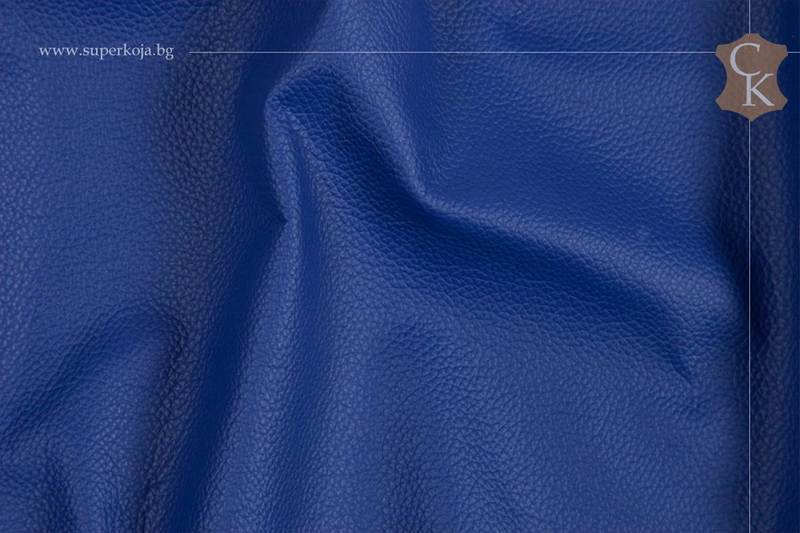
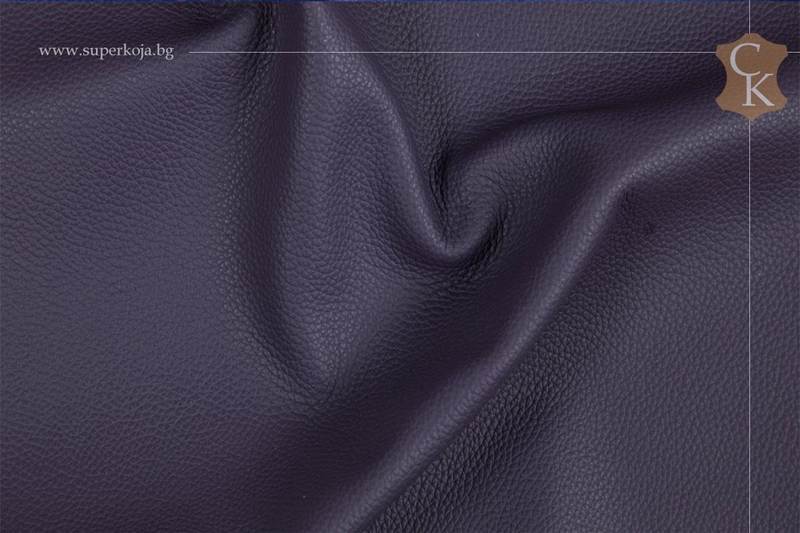
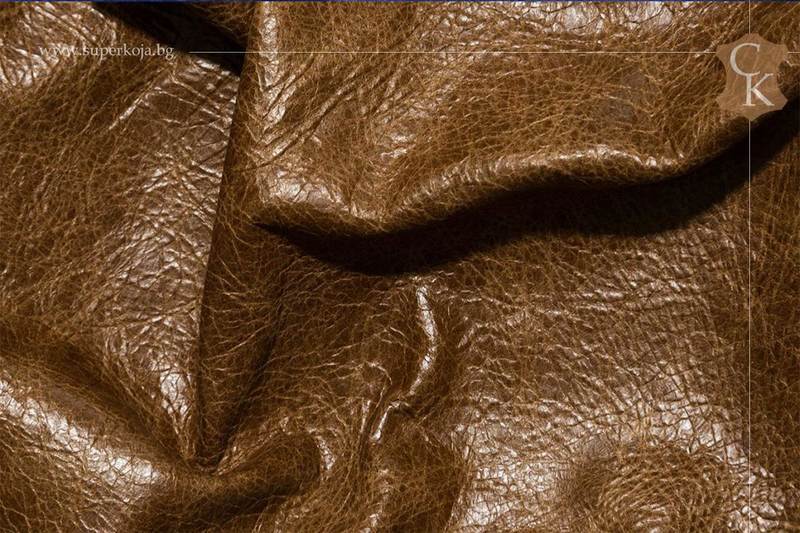
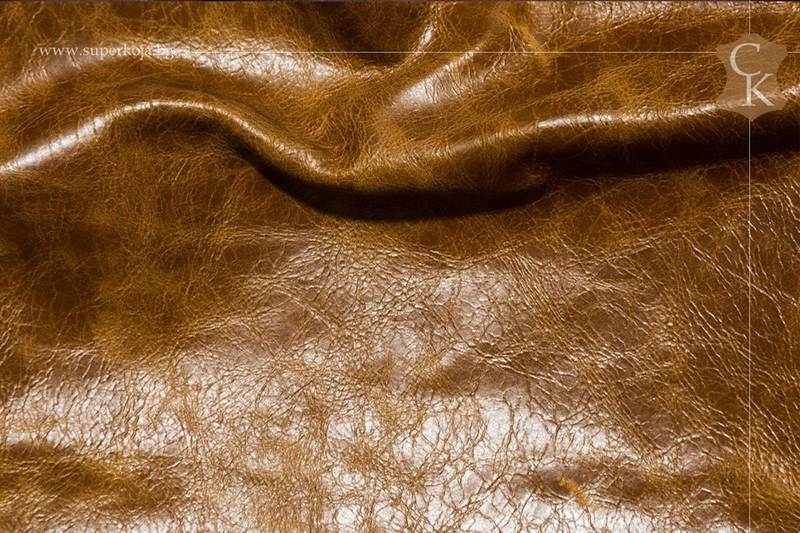
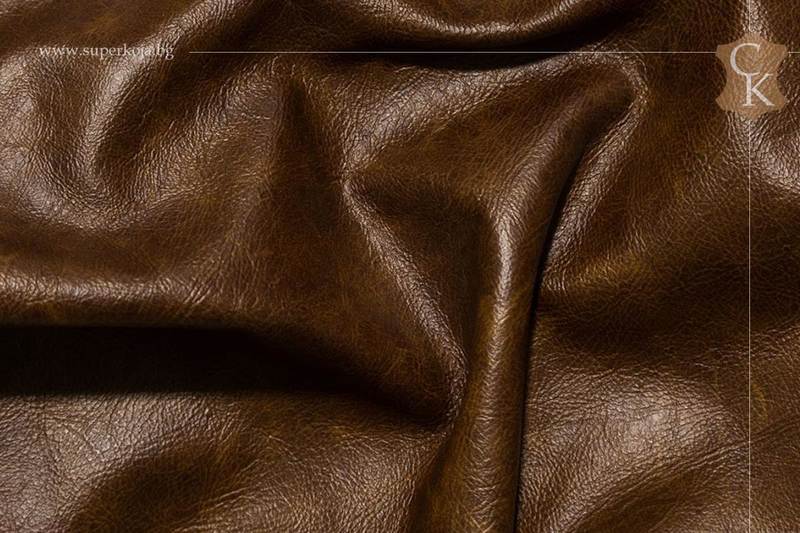
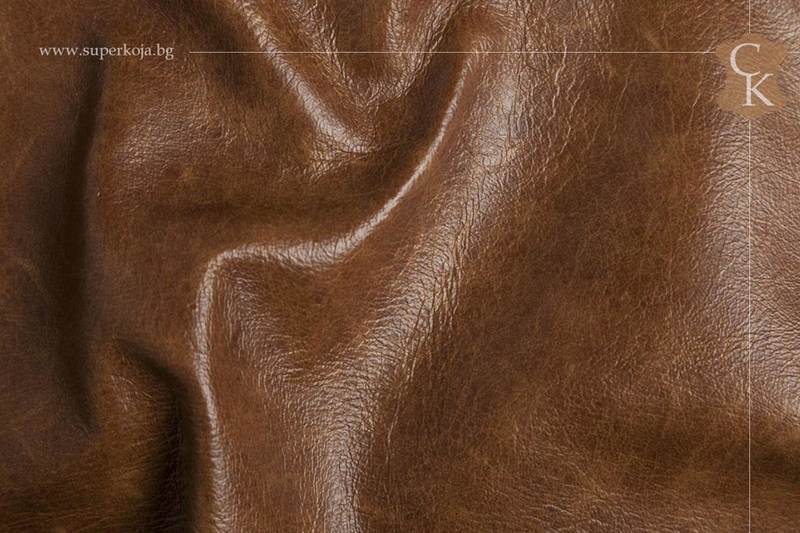
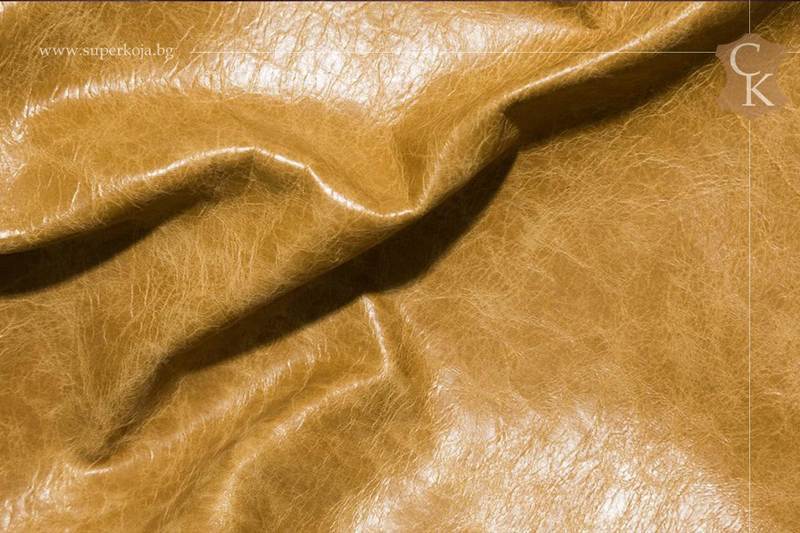
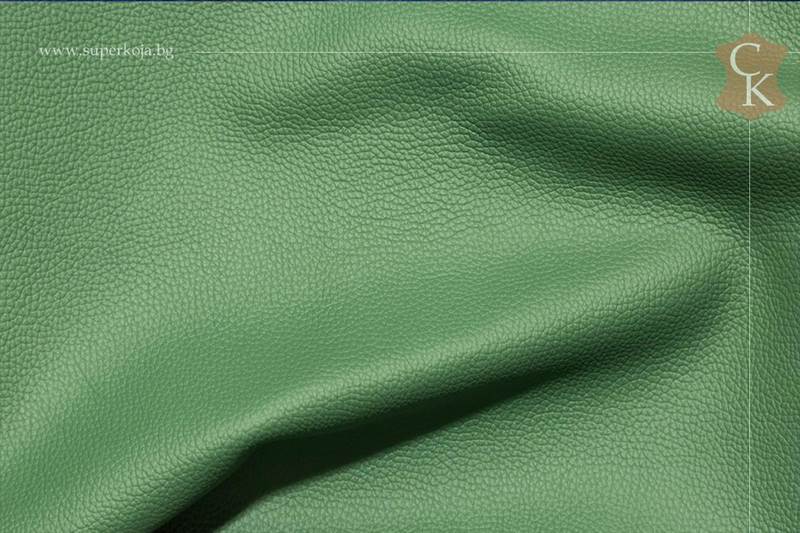
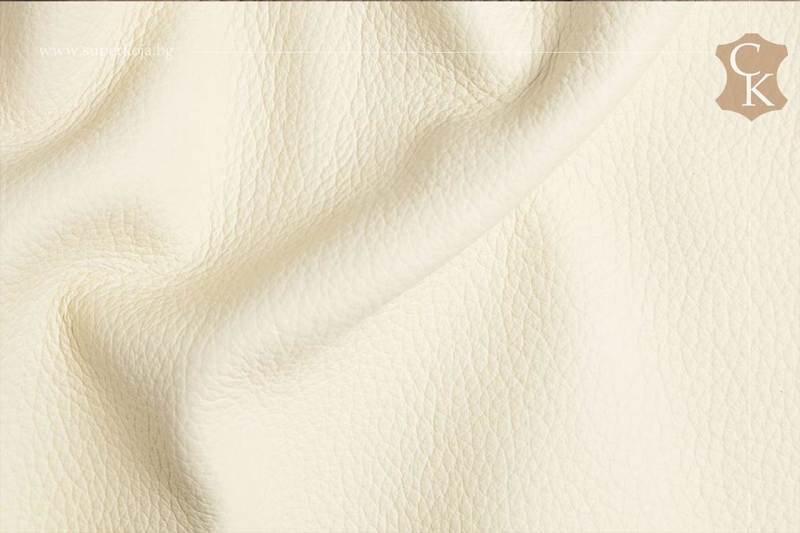
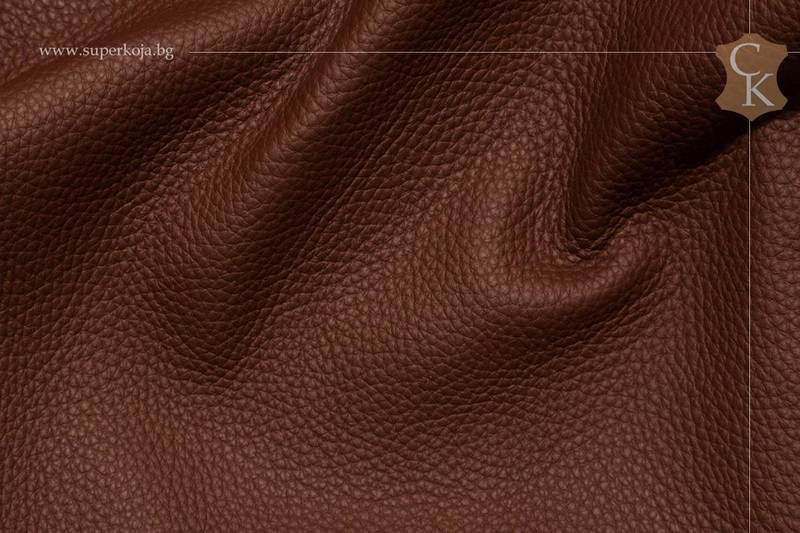
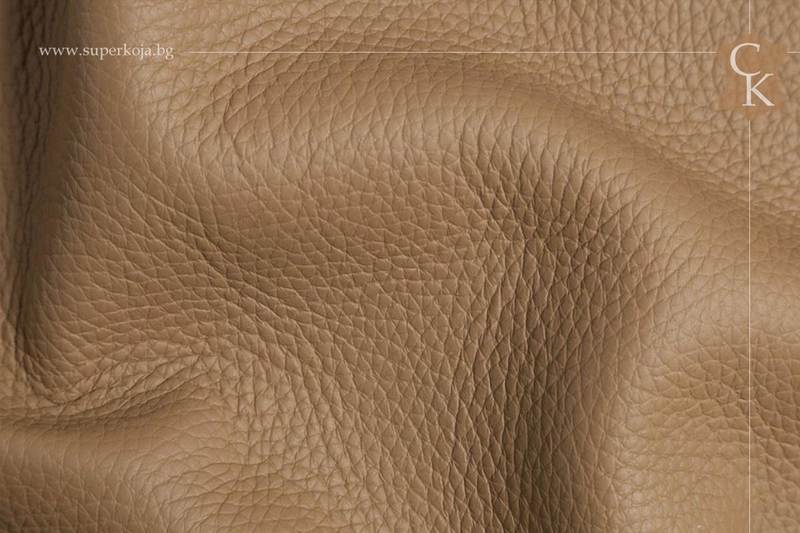
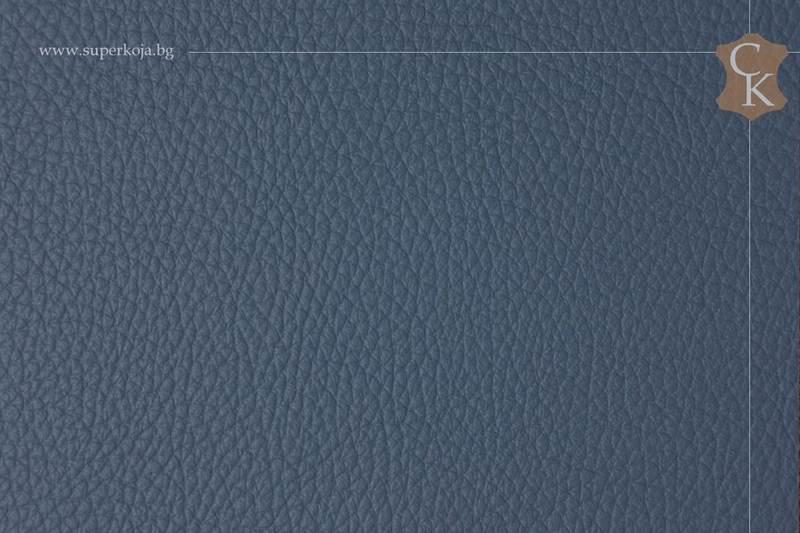
Genuine leathers for upholstery of furniture and upholstery of sofas, auto leathers, upholstery and wrapping of wardrobes, furniture, cabinets and many other activities
Genuine leathers for upholstery of furniture and upholstery of sofas, auto leathers, upholstery and wrapping of wardrobes, furniture, cabinets and many other activities
Genuine leathers are tanned in large drums using chromium salts. Tanned chromium is preferable to vegetable, since the skin remains elastic and receptive to staining. The hides are then finished using various techniques listed below. Natural markings on the leathers, often called the "signature of nature", can be present on skins and are a sign of fine skin. With proper leather care, the grain of leather will remain beautiful for many, many years and will not need replacement as textiles and fabric.
Aniline leathers are stained using non-toxic aniline paints, but are not treated with a protective top varnish. Therefore, it will quickly absorb natural oils and develop a rich patina. Aniline dyes are transparent, so the natural scars in the cow hide like healed scars, ready scratches, insect bites and marks will easily be visible. As a result, only the highest quality wholegrain leathers with limited natural marking can be finished as a complete aniline. Full aniline is also called "bare skin."
Semi aniline leathers
Semi-anillin leathers are similar to full anillin leathers with the addition of a fine layer of suitable pigment applied to fix the color. The cuticle is then sprayed with a transparent protective top layer or wax, providing protection against stains and wear, while preserving the natural appearance and sensation of full aniline leathers. Although they are often fine, natural markings, such as healed scars and scratches, insect bites and marks – aniline leathers are highly prized and more expensive than standard.
Pigmented leathers
Pigmented leather has a layer of dyes sprayed on the grain, giving it a rich and even color. A protective top varnish is then applied, which gives it high resistance to spills, stains, fading and scratches. Pigmented coating can be applied to both facial skin and corrected skin. Pigmented skin is the most common type of upholstery skin and when well made, it has both a soft touch and a strong durable finish. Pigmented skin is also used for automotive purposes.
Pull-Up leathers
Pull-Up leather is a type of semi-aniline leathers with added silk wax varnish for protection. When this leather is pulled or stretched, waxes cause the dyes to stain, giving the leather grain a two-tone or antique effect. Pulling leather is usually called distressed leather, since the wax cover is easily scratched in normal use. These scratches will often be absorbed back into the leathers and soften over time. This appearance is considered very desirable for antiques, rustic and high-end furniture. The pull up leather is produced from the highest quality grain leather.
Hand-frayed or hand-antique leather
Hand-scrubbed leather is a type of semi-anillin that is finished by rubbing layers of anillin paints on full grain leather until the desired color is achieved. This process is carried out by skilled craftsmen who understand the interaction of colors, where patina of many saturated tones is desired. A protective top varnish is added to the dyes, offering protection against stains and wear. Since cow leather is full grain, fine natural scars such as healed scars, ready-made scratches, insect bites and marks can be present. Hand-scrubbed leather is extremely desirable for upholstering antiques and high-end furniture.
Nubuck leather
Nubuck is a high quality leather that looks like suede, but is significantly healthier. Nubuck leather is usually treated with a protective top varnish to protect against stains and liquids, but it is more delicate than semi-anillin or pigmented skins.
Embossed, Printed leathers
Embossed leather is just a step in the process of finishing, in which cow fur is stamped or wound under high pressure to create a new grain on the surface of the skin. The print may be the most famous example, but they also include artificial animal prints and natural grains designed to mimic the original skin. Corrected grain skin is almost always embossed, but wholegrain skin can also be embossed.